How to know if my hair products are natural
Editorial Team
Quick Summary
To find out if natural products are truly natural, turn the container over and read the ingredient list (INCI), ignoring the large words on the front. Ingredients are listed in order of decreasing concentration, so if water or a synthetic derivative appears first, the product is composed mostly of them.
- The word "natural" on the front of the container is marketing and does not guarantee the composition.
- Look for the INCI list on the back or side of the container and read it from left to right.
- A natural ingredient at the end of the list is usually present in very small amounts.
- Botanical names in Latin, such as Argania spinosa kernel oil, may require a search for the common name.
- Natural and organic are not the same: organic requires third-party certification.
Table of Contents
What it really means for a hair product to be natural
In this guide, we explain how to find out if natural hair products, including those from any brand in the category, are truly natural. The global market for natural personal care ingredients was valued at USD 6.96 billion in 2026, according to Fortune Business Insights, report on the size of the natural ingredients market. With so much money at stake, the word "natural" appears on almost every package.
That's the problem. The word "natural" on the front of a package guarantees nothing about the product's composition. Many brands use it as a marketing strategy without the backing of certifications, so consumers have to audit the ingredients on their own.
A natural product is, in simple terms, one whose ingredients come mostly from plants, minerals, or other natural sources, with few or no synthetic ingredients. An organic product is something else: it requires that the ingredients be grown without pesticides or chemical fertilizers and undergo certification.
Note: the front of the package is marketing. The ingredient list is the only part that is required to tell the truth.
How to read a hair product label step by step
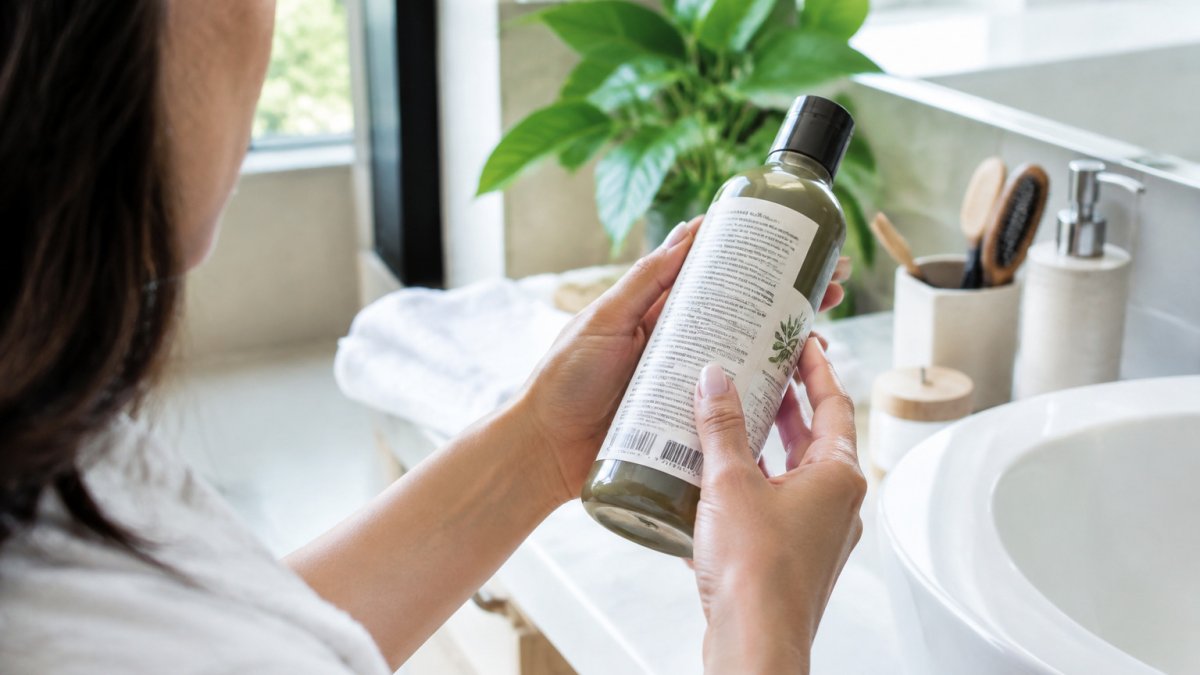
Turn the product over and look for the ingredient list, called the INCI (International Nomenclature of Cosmetic Ingredients). Here's how to read it:
- Look for the INCI on the back or side of the container.
- Read the names from left to right.
- Ignore the large words on the front like "100% natural" or "herbal".
- Compare what the front says with what the list says.
If you want a visual reference, FDA guide on how to read cosmetic product labels. It may take a couple of minutes the first time, but every future purchase will be faster.
Ingredient order and approximate concentration
Ingredients are listed in order of decreasing concentration. If water or a synthetic derivative appears first, the product is composed mostly of those ingredients, regardless of what the front says.
A natural ingredient that appears at the end of the list is usually present in very small amounts. That doesn't make it fake, but it does mean it is probably not the main ingredient.
INCI limitations: botanical names and processed derivatives
The INCI does not always make life easy. An oil may appear with its botanical name in Latin, such as Argania spinosa kernel oil, which the average consumer does not recognize. There are also processed derivatives that seem natural but undergo several chemical transformations.
In these cases, look up the common name of the ingredient in a reliable source before deciding.
Natural hair ingredients: how to identify them in the natural products list
The most common natural ingredients in hair products include argan oil, coconut oil, shea butter, and oats. In the list, they usually appear with names like "Argania spinosa kernel oil" or "Cocos nucifera oil".
If a brand highlights argan on the front but it does not appear in the first places on the list, the amount may be minimal. Always check the order.
Difference between natural and organic in cosmetics, and what seals to check
Natural and organic do not mean the same thing. Natural refers to the origin of the ingredients; organic requires cultivation without synthetic chemicals and third-party certification. To verify a seal, look for the name of the certifier on the container and confirm it on their official website. According to the California Department of Food and Agriculture report on organic product statistics, organic product sales in California grew 21.7% between 2019 and 2023, which explains why there is so much interest in seals.
Your next step: review your routine and choose your next purchase wisely
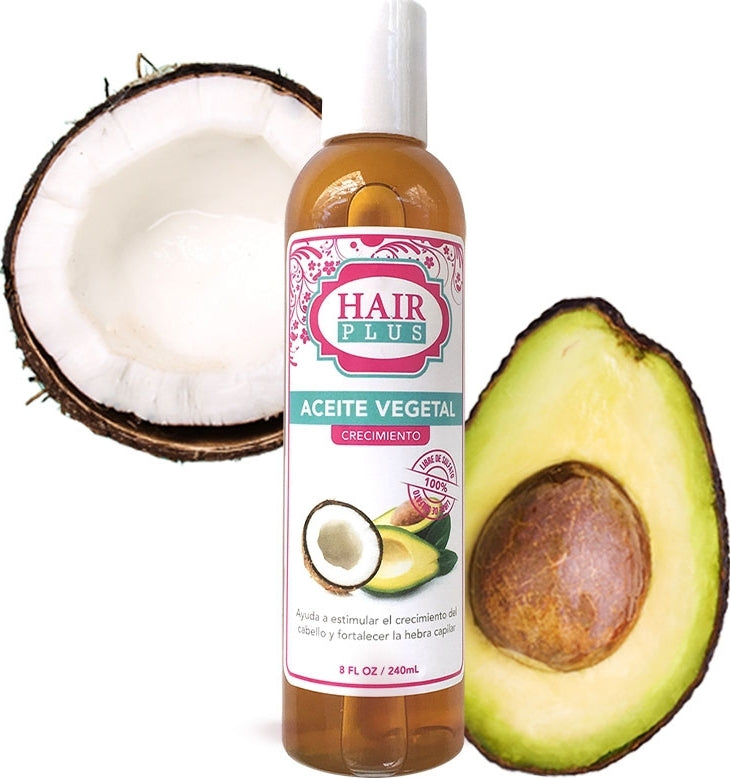
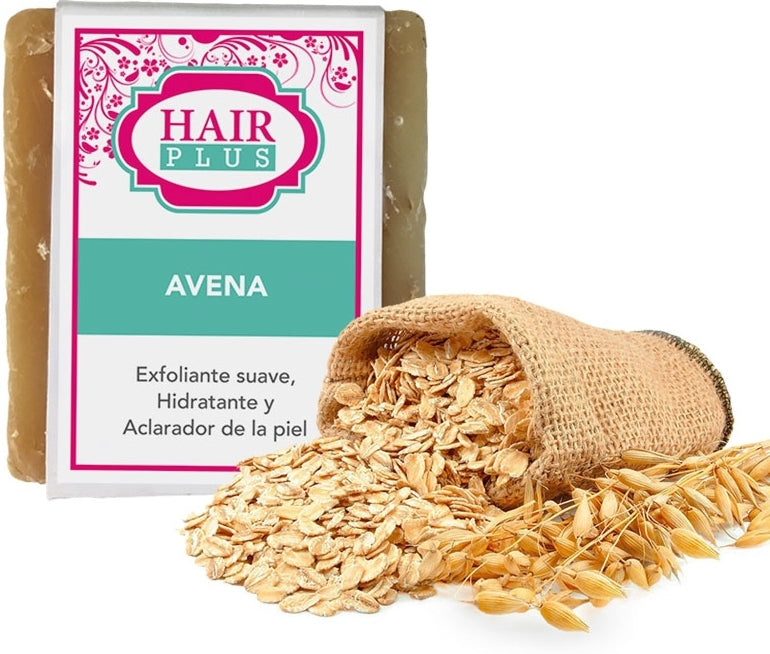
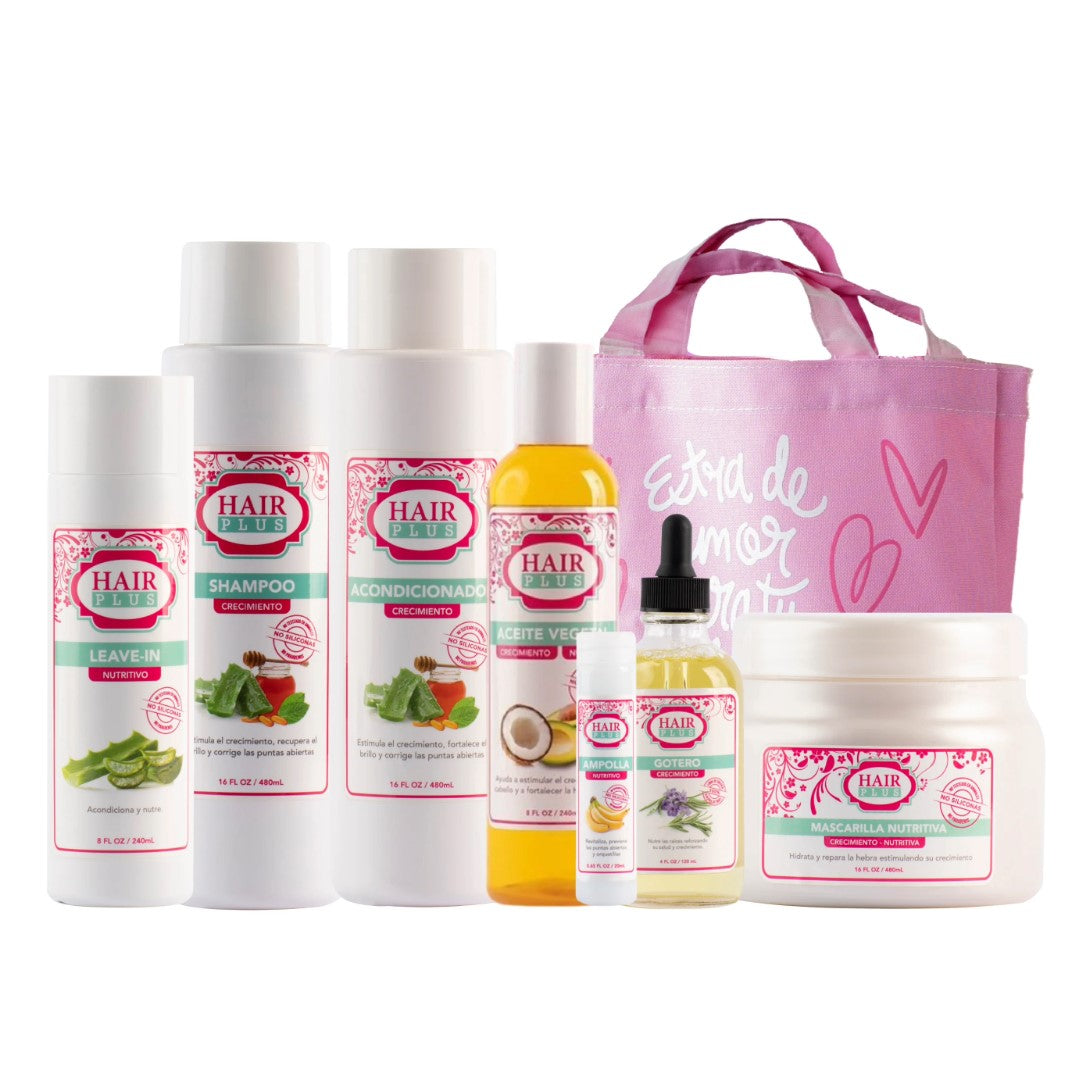
Start by reviewing the ingredient list of the products you already use. If you are looking for an anti-hair loss serum, you can see the Anti-Hair Loss Growth Serum 32oz. If your hair is curly, the Curly Hair Kit is designed for that type of hair. And if you want known natural ingredients, the Mini Argan Oil Limited Edition, the Oat Soap and the Vegetable Oil 8oz are among the brand's options.
Frequently Asked Questions
When is a hair product considered natural?
A hair product is considered natural when most of its ingredients come from plants, minerals, or natural processes, with little or no chemical transformation. No term on the container guarantees this on its own. Check the INCI list, look for third-party certifications, and be wary of phrases like 'natural formula' without backing. A product may have natural ingredients and still contain synthetic components in relevant amounts.
Is a product without sulfates, silicones, and parabens necessarily natural?
No. Being free of sulfates, silicones, and parabens only indicates that those specific ingredients do not appear in the formula. The product may contain synthetic preservatives, fragrances, or petroleum-derived emollients. To find out if it is natural, check the full ingredient list, observe its order, and verify if there is a certification that supports the manufacturer's claims.
What is the difference between a natural product and an organic one?
Natural describes the origin of the ingredients, while organic implies a regulated cultivation and production process without pesticides or synthetic chemical fertilizers. An organic product usually has a minimum percentage of certified ingredients. To confirm it, look for the seal of a recognized certifier and consult their public database, since the term only has legal backing when there is certification.
How to detect misleading claims about natural hair products?
Be wary of eye-catching phrases on the front of the container that are not reflected in the ingredient list, such as 'with 100% natural ingredients' when the main ingredient is a synthetic derivative. Check if the manufacturer mentions certifications with a name and number, and compare the claim with the INCI list. If the advertising promises results without verifiable studies or testimonials, treat it with caution.